




Satire from below
Second century CE to the nineteenth century
Long before chatbots, writers were already putting words into dead people’s mouths. In the second century, Lucian of Samosata staged satirical conversations in the Underworld. Rulers, heroes, philosophers and rich men discovered that death was a ruthless equaliser. Status travelled badly; the powerless often got the best lines.
The form kept changing. Fénelon and Fontenelle used imaginary encounters to compare reputations, politics and ideas. David Fassmann turned the dead into an eighteenth-century periodical mixing biography, news and entertainment. Walter Savage Landor’s nineteenth-century Imaginary Conversations no longer needed a literal Underworld. The useful trick remained: bring together people who could never have met and let them judge one another, and us.

Dead people, live entertainment
Twentieth and twenty-first centuries
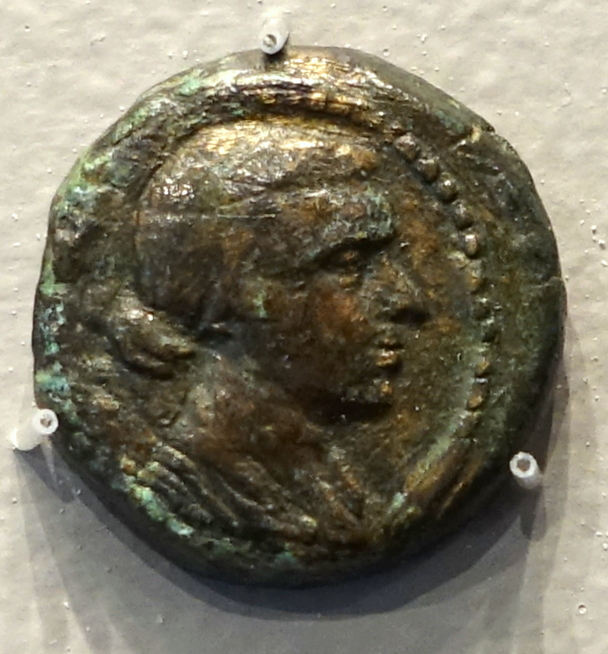
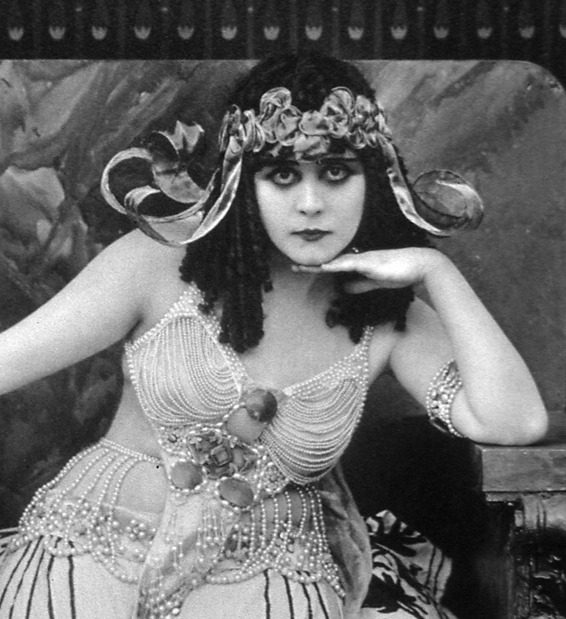
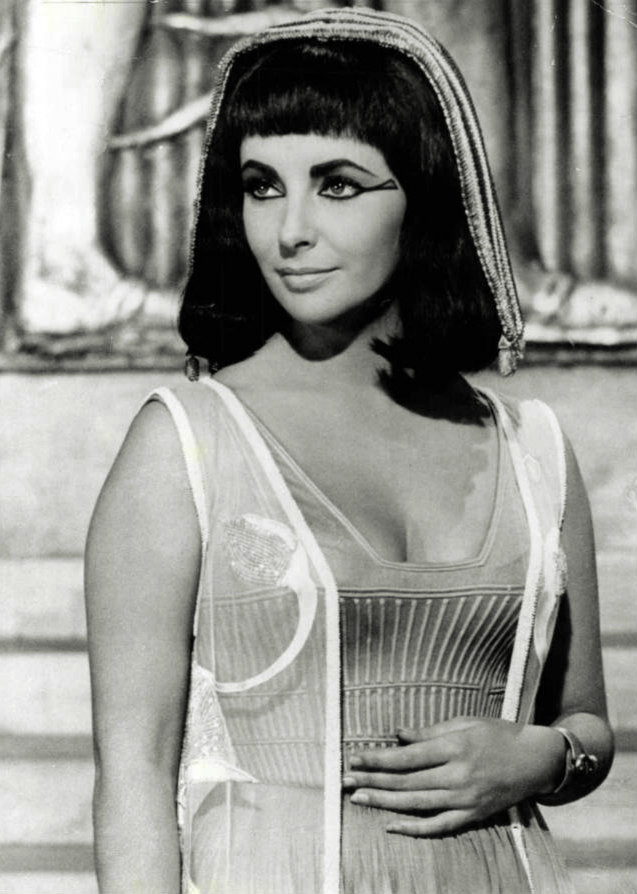
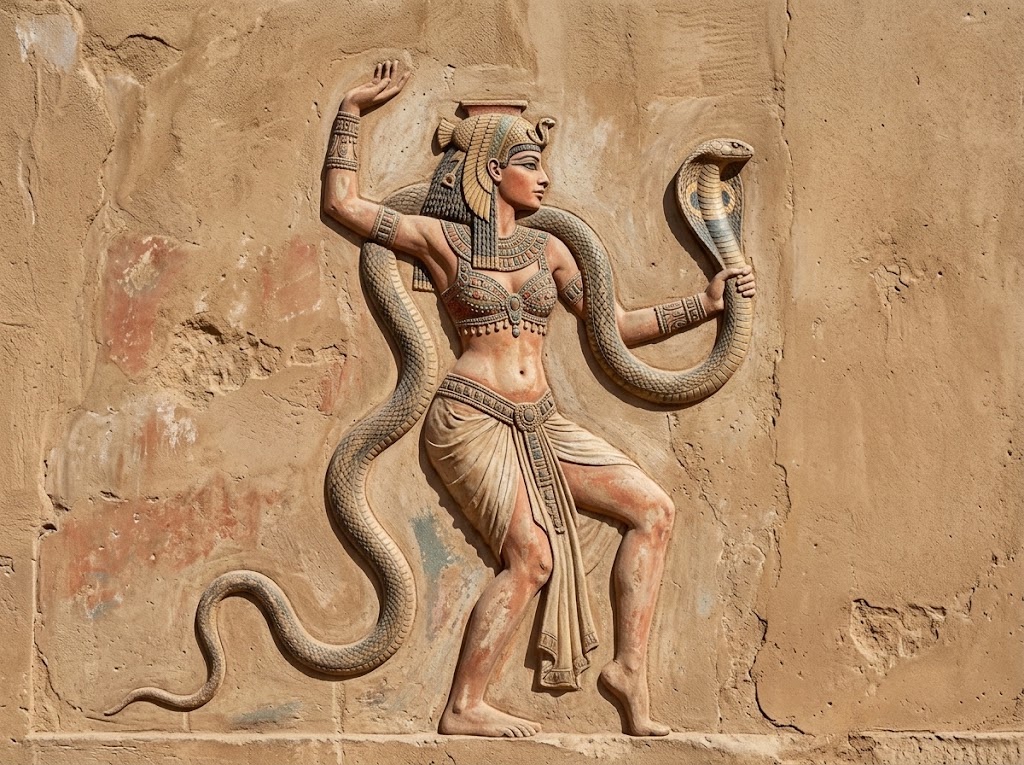
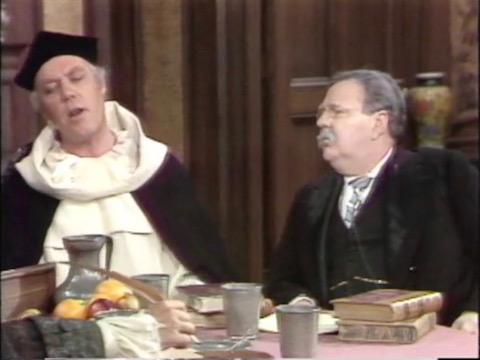
It escaped the page too. Meeting of Minds put historical figures around a television table. Its creator promised dialogue based on quotation, then admitted that figures such as Cleopatra left no recorded words, so facts had to become speech. Only about a quarter of its guests were women, many repeatedly played by the creator’s wife. The great men had a larger casting department.
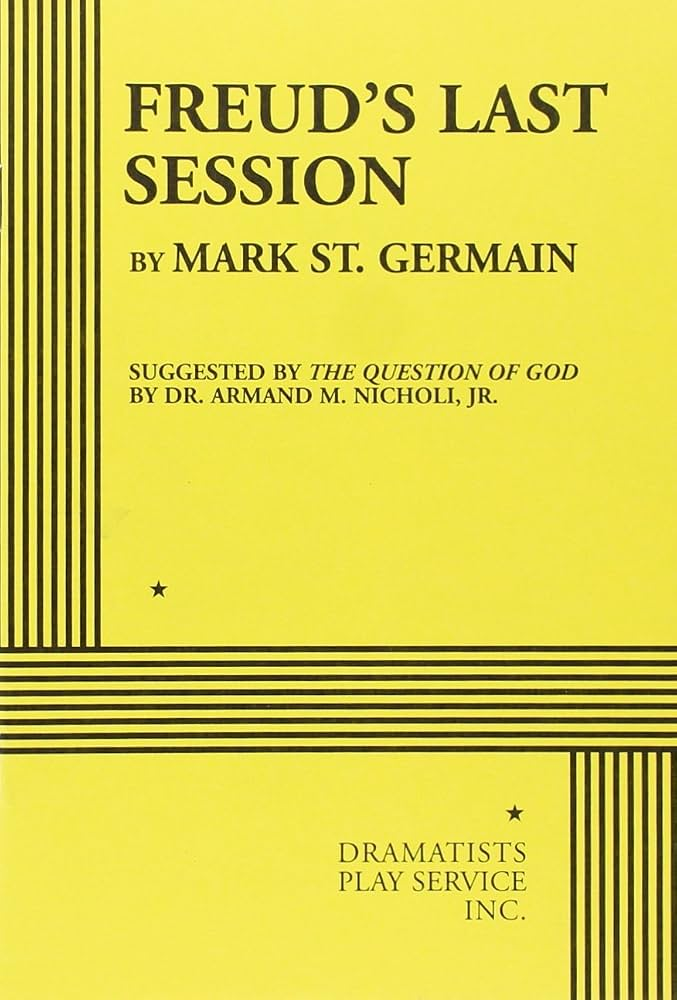
Freud’s Last Session imagined Freud and C. S. Lewis in theatrical debate.
Playable, then endless
2016 to the present
Games such as Civilization VI turned historical leaders into responsive characters. Giacomo Miceli’s The Infinite Conversation generated an endless exchange between artificial versions of Werner Herzog and Slavoj Žižek. New machinery, familiar ventriloquism.

Voices without bodies
1791 to the present
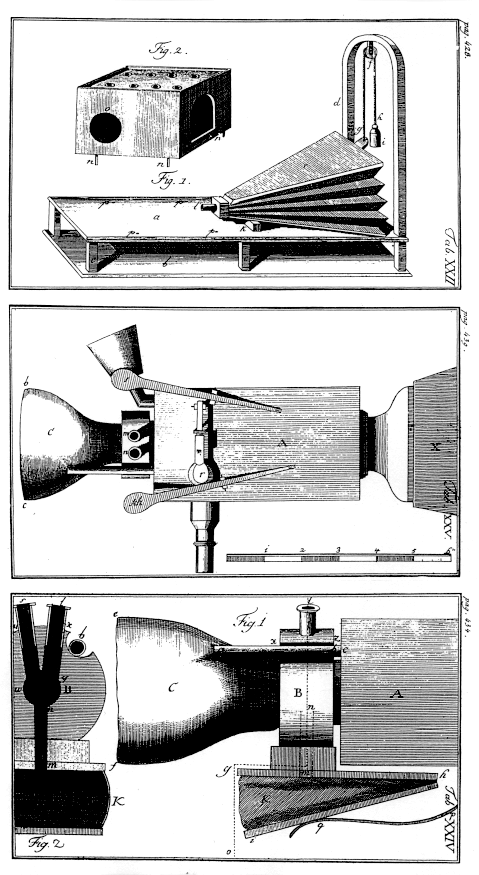
We have also been manufacturing voices without bodies for centuries. Wolfgang von Kempelen’s eighteenth-century speaking machine mechanically produced human-like speech. Recording, radio and synthesis kept loosening the apparent bond between a voice and a living speaker.
The ghost in the machine
Nineteenth century to today
Alongside this runs what media scholar Jeffrey Sconce calls “haunted media”: the recurring hope that communication technology might cross the boundary between living and dead. Spiritual telegraphy, séance telephones, Edison’s speculative device, radio séances and electronic voice phenomena all gave new machinery a ghostly job description.
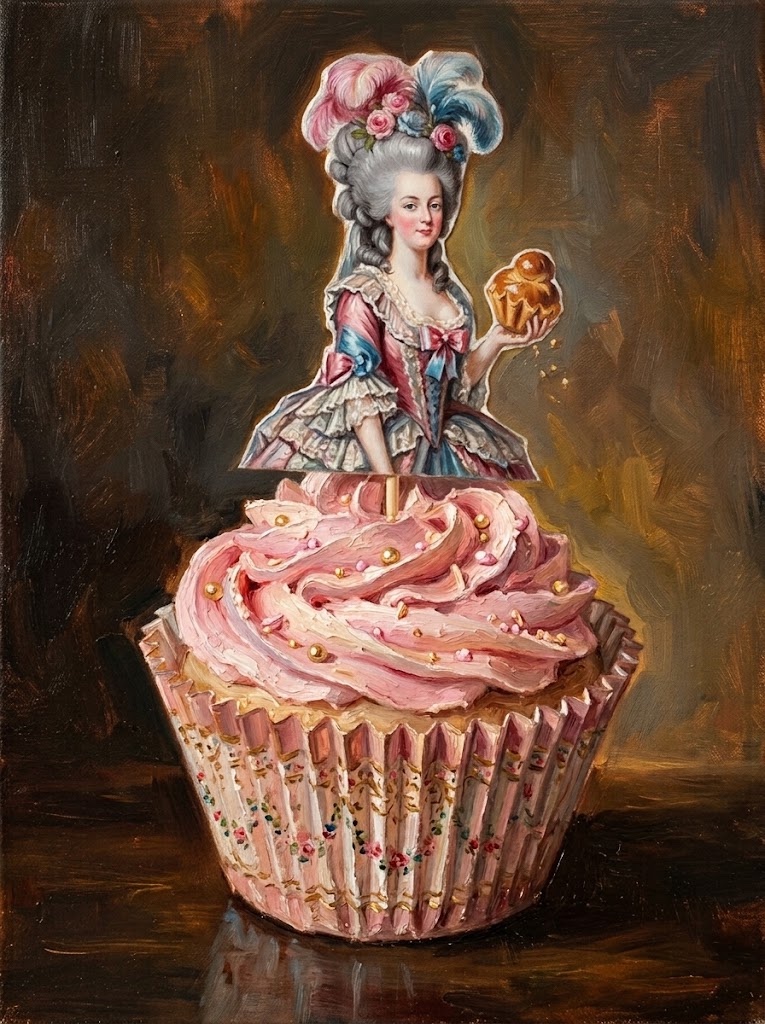
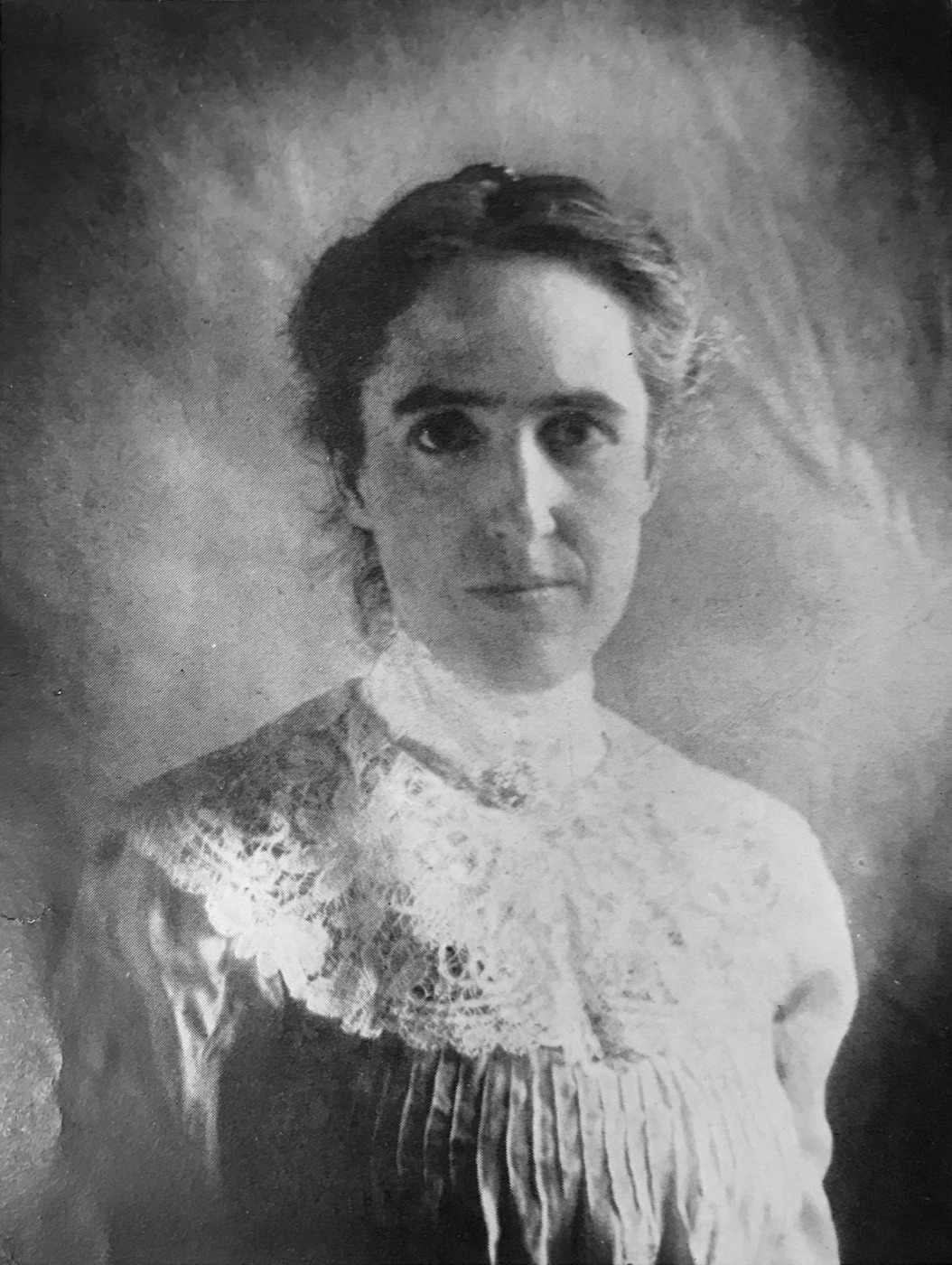
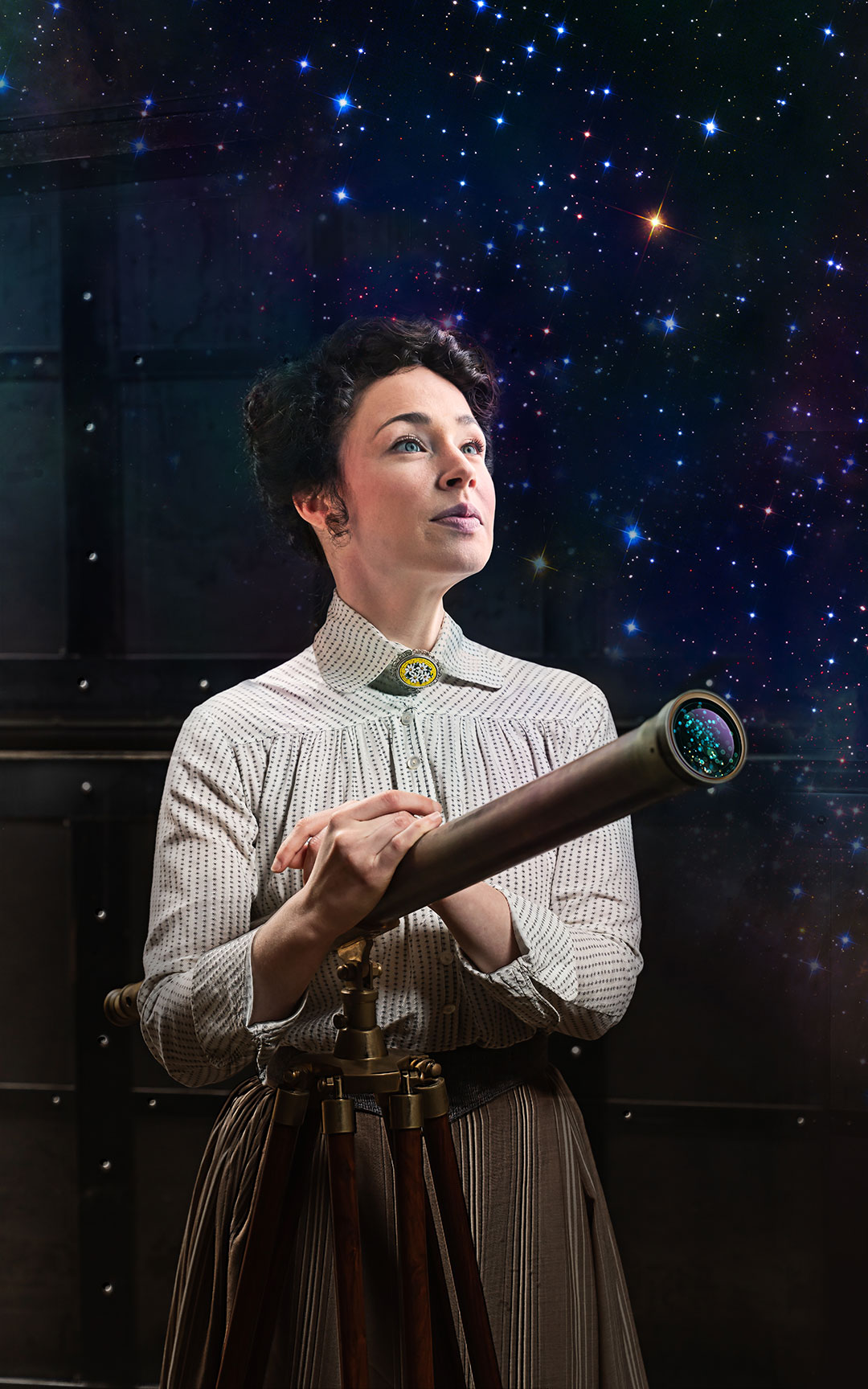
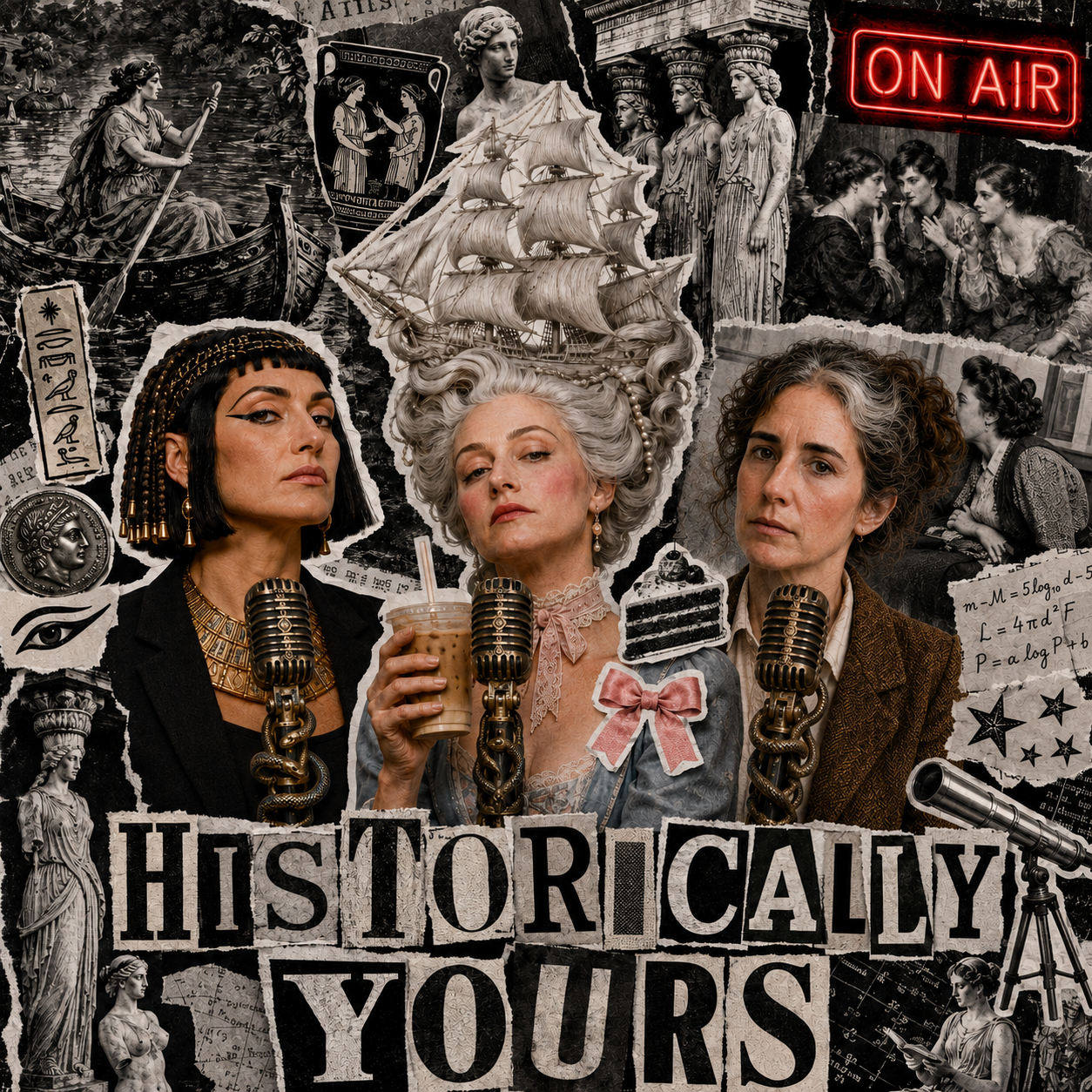
Generative AI brings these traditions together. It turns fixed, authored dialogues into responsive performances that can change while an audience takes part. Historically Yours stages that process rather than presenting it as resurrection. Cleo, Toinette and Henri are fictional, exaggerated roles assembled through archives, stereotypes, prompts, models, synthetic voices and visitor input.
Who gets the microphone?
Historically Yours, 2026
The older tradition mostly gave the floor to famous men. This work centres three women shaped by myth, misogyny and omission. The choice is deliberately awkward: it uses AI, a technology built through unequal archives, extractive labour and corporate power, to question historical exclusion and the biases reproduced by AI itself. The hosts play with familiar stereotypes because the machinery that keeps producing them deserves a speaking part.
Why a podcast?
Historically Yours does not attempt to revive three dead women or recover what they really sounded like. It stages Cleo, Toinette and Henri as deliberately fictional roles. The microphones, branding, sculptural heads and synthetic voices are props in a visible performance, assembled from historical fragments, cultural myths, prompts, generated language and your questions.
The podcast turns the old dialogue into a partly improvised play. Generative AI changes when the invented lines are produced: the hosts can respond to one another and the living while the performance unfolds. The machinery is allowed to show through, because a convincing voice should not be mistaken for a recovered person.
Podcasting brings those constructed voices close to the listener’s ear and lends them the authority of microphones and opinions on demand. The cover also borrows the cliché of women gathered to gossip. Put men around microphones and we expect serious discussion; put women there and suddenly it is chatter. These hosts discuss empire, revolution, science and your problems. They gossip too. So did plenty of historians, only with footnotes.